







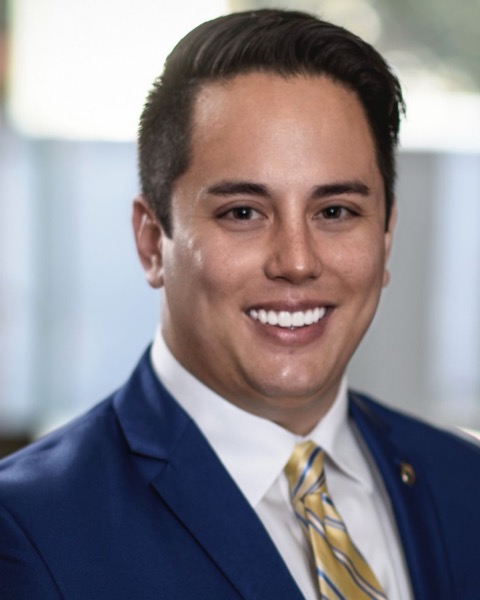
Assistant Professor
Baylor College of Medicine and Texas Children's Hospital
Houston, Texas, United States
My laboratory defines how maternal exposures reprogram placental biology and fetal immune
development. By linking exposure quantification to spatially resolved mechanisms and intervention-ready
platforms, we aim to enable actionable strategies that improve maternal–fetal health and lifelong
trajectories. To accomplish this, we use quantitative exposomics, combined with single-cell and spatial
multi-omics, to map exposure-linked immune, vascular, and matrix states at the maternal–fetal interface.
In our micro- and nanoplastics (MNP) program, we quantify polymer burdens in placenta, endometrium,
and follicular fluid, then connect polymer-specific signals to clinical phenotypes and tissue
microenvironments. We pair human cohort studies with tractable placental models to test mechanism.
Current efforts dissect an MNP “life cycle” in human placental cells, including uptake, endosomal
trafficking, accumulation, intracellular processing, fragmentation, and vesicular egress, with readouts
spanning high-content imaging, cytometry, and stress pathways. In parallel projects, address metabolic
exposures during pregnancy. We use human cohorts and non-human primate models to determine how
gestational diabetes, maternal diet, and metformin remodel placental transcriptional states across gestation
and postpartum recovery. A complementary arm of the lab focuses on fetal immune programming during
congenital infection and fetal intervention. Using fetal blood and cerebrospinal fluid profiling, paired with
TCR and BCR sequencing, we test how exposures such as CMV and B19V shape adaptive immune
development in utero. Building on these datasets, we are developing fetal gene-therapy approaches to
understand and, ultimately, mitigate mechanisms of congenital disease during gestation. Together, these
studies position the placenta as both sensor and effector of exposure, and the fetus as an active participant
in immune and developmental programming.
(39) AI Based Ultrasound Screening for Early, Accurate Identification of Placenta Accreta Spectrum
Thursday, February 12, 2026
8:30 AM - 8:45 AM
(51) Maternal Dietary Trajectories and Urinary Analyte Signatures Associate with Preterm Birth
Thursday, February 12, 2026
2:30 PM - 2:45 PM