







Oral Plenary Session 2 - Fellows Plenary
Oral Plenary Sessions
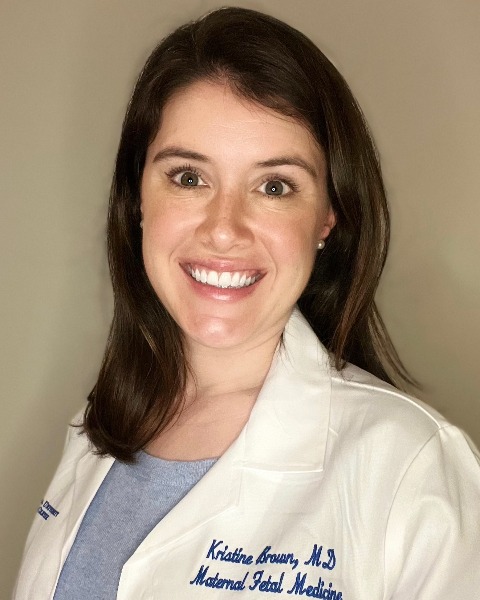
Kristine Brown, MD (she/her/hers)
Maternal-Fetal Medicine Attending
NYU Langone
New York, New York, United States
Mariam Ayyash, MD
Columbia University Irving Medical Center
New York, New York, United States
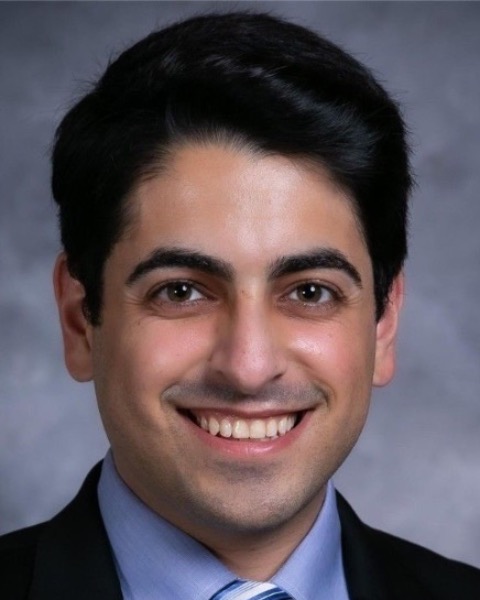
Hooman A. Azad, MD, MPH (he/him/his)
OB/Gyn Resident Physician
Columbia University
Columbia University, New York, United States
Lielle Yellin, BS
Columbia University Irving Medical Center
New York, New York, United States
Olivia F. Schulist
Columbia University Irving Medical Center
New York, New York, United States
Shai Bejerano, MS
Data Analyst
Columbia University Irving Medical Center
New York, New York, United States
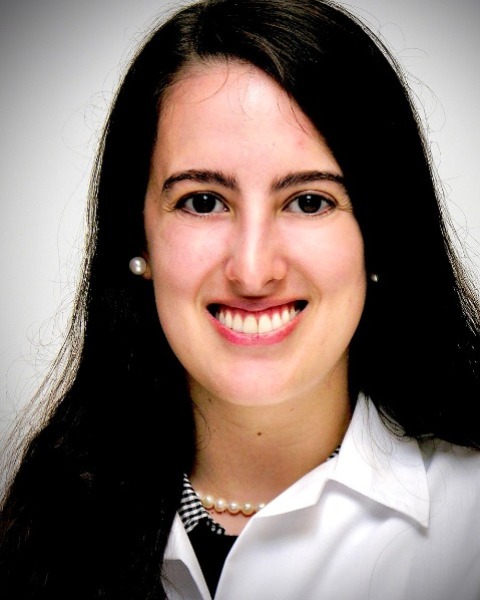
Helen B. Gomez Slagle, MD, RDMS
Clinical Fellow
Columbia University Irving Medical Center
New York, New York, United States
Said Saab, MD, MEd
Columbia University Irving Medical Center
New York, New York, United States
.jpg "Jean-Ju Sheen, MD photo")
Jean-Ju Sheen, MD
Associate Professor of Obstetrics and Gynecology
New York Presbyterian, Columbia University Irving Medical Center
Northvale, New Jersey, United States
Russell S. Miller, MD (he/him/his)
Sloane Hospital for Women Associate Professor of Prenatal Pediatrics (in Obstetrics and Gynecology)
Division of Maternal-Fetal Medicine, Department of Obstetrics and Gynecology, Columbia University Irving Medical Center
New York, New York, United States
Uma M. Reddy, MD, MPH
Professor
Columbia University Irving Medical Center
New York, New York, United States
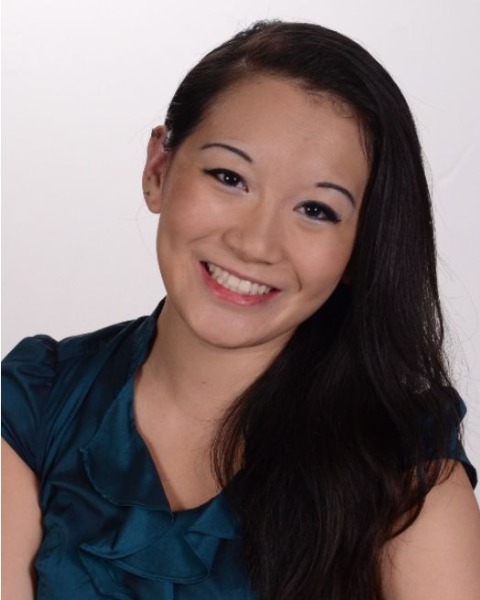
Lilly Liu, MD, MPH
Director of Critical Care Obstetrics
Albert Einstein School of Medicine/Montefiore Medical Center
New York, New York, United States
While surgical adhesive dressings have been evaluated in non-obstetric surgery, the optimal incision closure method for cesarean delivery (CD) remains unknown. We sought to evaluate patient scar satisfaction following surgical adhesive skin closure in non-urgent cesarean delivery.
Study Design:
This was a randomized-controlled trial of Dermabond Prineo adhesive system vs. standard delayed-absorbable subcuticular suture closure for CD. Patients with an adhesive allergy, cesarean hysterectomy, emergent delivery, or a vertical skin incision were excluded. The primary outcome was patient satisfaction with their scar, assessed 6 weeks postoperatively by the validated Patient Scar Assessment Scale (PSAS). Secondary outcomes included operative time, pain scores, wound complications, and hospital readmission rates. A sample size of 188 subjects was calculated to achieve 80% power while assuming up to 20% loss to follow up. Randomization was 1:1 and stratified by pre-delivery BMI (BMI < 30 vs. ³ 30). Dermabond Prineo was applied following manufacturer instructions. Surgical techniques and choice of suture were at the discretion of the obstetrical providers. Analysis was by intention to treat.
Results:
188 patients were enrolled and 37 lost to follow up, resulting in 151 patients included for analysis. Baseline and delivery characteristics were similar between groups (Table 1) except for higher mean maternal age in the Dermabond group. 4-0 monofilament suture was used for closure in 97.1% of subjects within the suture group. The majority of patients in both groups underwent repeat pre-labor CD. There was no difference in patient scar satisfaction between groups, and this remained true after adjusting for age. Similarly, there was no difference in operative time, pain scores, wound complications, or readmission rates between the groups. There was no difference in the primary outcome within the low or high BMI sub-groups.
Conclusion:
Use of Dermabond Prineo or traditional subcuticular suture provide similar patient satisfaction outcomes following cesarean delivery, with comparable rates of wound complications.