







Poster Session 1
Category: Epidemiology
Poster Session 1
.jpg "Shreya S. Gunda, N/A (she/her/hers) photo")
Shreya S. Gunda, N/A (she/her/hers)
Research Assistant
University of California, San Francisco
San Jose, California, United States
Kesia K. Garibay, PhD
Assistant Professor
University of the Pacific
Stockton, California, United States

Daisy León-Martínez, MD (she/her/hers)
Assistant Professor
Division of Maternal-Fetal Medicine at the University of California San Francisco
University of California San Francisco, California, United States
Bethany Simard, MPH
Department of Obstetrics, Gynecology and Reproductive Sciences, University of California, San Francisco
UCSF, California, United States
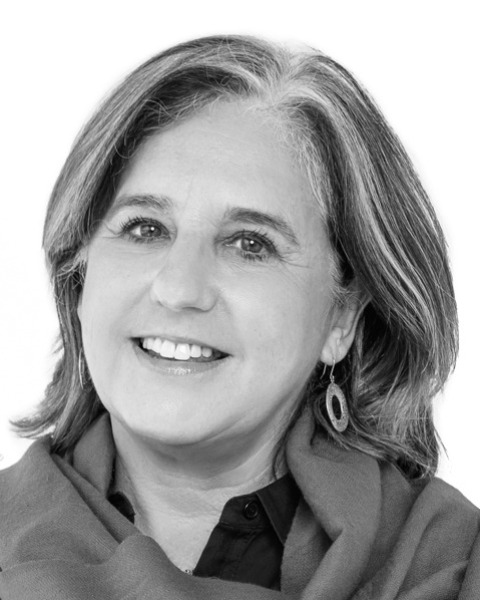
Miriam Kuppermann, MPH, PhD (she/her/hers)
Professor
Department of Obstetrics, Gynecology and Reproductive Sciences, University of California, San Francisco
University of California San Francisco, California, United States
To investigate the association between COVID-19 vaccination uptake and demographic, socioeconomic, and clinical factors among low-income pregnant and postpartum individuals in California’s San Joaquin Valley.
Study Design:
This is a secondary analysis of data collected as part of the EMBRACE study, a randomized trial comparing the effectiveness of two enhanced prenatal care models. Participants were low-income pregnant individuals, 72% of whom identified as Latinx. We conducted bivariate analyses and a stepwise logistic regression to determine the association between participant characteristics and COVID-19 vaccine uptake. Covariates included age, ethnicity, birthplace, language of interviews, educational attainment, monthly household income, relationship status, parity, and diagnosis of mental health condition.
Results:
Among the 652 study participants, 61.5% reported having received a COVID-19 vaccine. 45.7% were vaccinated before pregnancy, 9.6% during pregnancy, and 6.1% after giving birth. In the stepwise multivariable logistic regression model, older age was associated with higher odds of being vaccinated (OR = 1.09, 95% CI: 1.04–1.14, p < 0.001). Participants with one to two children had significantly lower odds of vaccination compared to those without children (OR = 0.34, 95% CI: 0.20–0.56, p < 0.001), as did those with three or more children (OR = 0.27, 95% CI: 0.13–0.55, p < 0.001).
Conclusion:
Age and parity are associated with COVID-19 vaccination uptake in this population. Older individuals were more likely to be vaccinated. However, individuals with children had significantly lower odds of vaccine uptake, suggesting the need to explore caregiving-related barriers. We should consider outreach strategies to improve vaccination access and acceptance among younger people and parents.