







Poster Session 2
Category: Health Equity/Community Health
Poster Session 2

Tiwadeye I. Lawal, MD
Resident
Northwestern University Feinberg School of Medicine
Chicago, Illinois, United States
Thanuja Suram, BS
Northwestern University Feinberg School of Medicine
Chicago, Illinois, United States
Rhea Sharma, BA
Medical Student
Northwestern University Feinberg School of Medicine
Chicago, Illinois, United States

Lynn M. Yee, MD, MPH (she/her/hers)
Associate Professor
Northwestern University Feinberg School of Medicine
Chicago, Illinois, United States
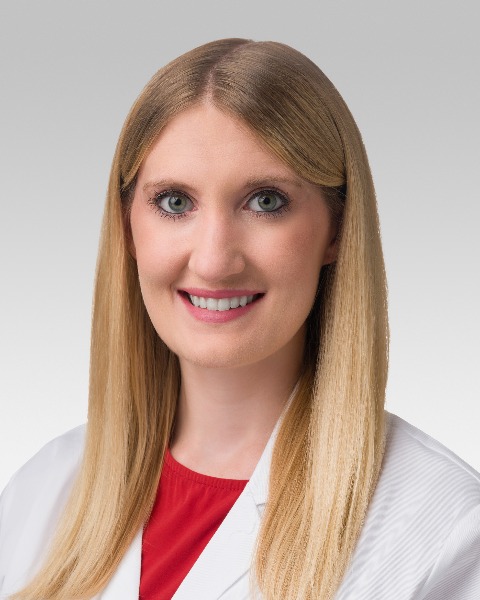
Stephanie A. Fisher, MD, MPH (she/her/hers)
Assistant Professor of Obstetrics and Gynecology
Northwestern University Feinberg School of Medicine
Chicago, Illinois, United States
To evaluate the association of patient-reported psychosocial stress and discrimination in pregnant people with perceived respect and autonomy during prenatal care.
Study Design:
Secondary analysis of data from a prospective cohort study that enrolled publicly insured singleton gestations to evaluate sociobiologic factors associated with adverse pregnancy outcomes. For this analysis, exposures were self-completed psychosocial scales assessing stress, depressive symptoms, anxiety, discrimination, and social support (Table), conducted at 12-30 (Visit 1) and 24-36 (Visit 2) weeks’ gestation, at least 8 weeks apart. Co-primary outcomes were Mothers on Respect Index (MORI) and Mother’s Autonomy in Decision Making (MADM) survey scores (Visit 2). Exposures and outcomes were analyzed as continuous measures via generalized estimating equations, with models adjusted for relevant covariates.
Results:
Of 180 participants in the parent study, the MORI and MADM were administered to the final 60 participants (7/2024-5/2025) and completed by 57 (95%), of whom 57% identified as Black and 39% as Hispanic. At Visit 1, each 1-point higher PSS-10 score was associated with a 1.19 point higher MORI score (95% CI 0.36, 2.03), indicating greater perceived stress was associated with perceptions of more respectful prenatal care. In contrast, higher PHQ-9 (adj. ß -0.62; 95% CI -0.09, -1.16), GAD-7 (adj. ß -0.38; 95% CI -0.05, -0.72), and EDS (adj. ß -0.43; 95% CI -0.12, -0.74) scores at Visit 1 were inversely associated with the MADM, indicating greater depressive/anxiety symptoms and discrimination were associated with lower perceived autonomy. At Visit 2, each 1-point higher MDS score, indicative of greater social support, was associated with higher MADM scores (adj. ß 0.22; 95% CI 0.09, 0.35).
Conclusion:
Among low-income pregnant people, patient-reported psychosocial stress and discrimination are associated with differences in perceptions of respect and autonomy in prenatal care. Addressing these psychosocial determinants is essential for socially conscious patient-centered care.