







Poster Session 3
Category: Education/Simulation
Poster Session 3
Byung Soo Kang, MD, PhD
Obstetrics and gynecology
Department of Obstetrics and Gynecology, Seoul St. Mary's Hospital, College of Medicine, The Catholic University of Korea
Seoul, Seoul-t'ukpyolsi, Republic of Korea
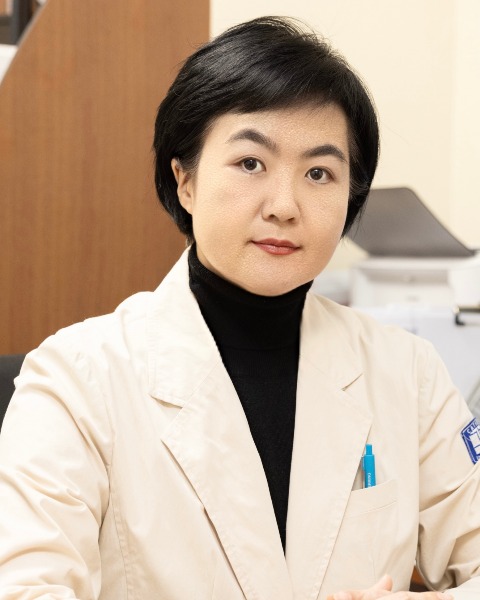
Hyun Sun Ko, MD, PhD
Department of Obstetrics and Gynecology, Seoul St. Mary's Hospital, College of Medicine, The Catholic University of Korea
Seoul, Seoul-t'ukpyolsi, Republic of Korea
Subeen Hong, MD, PhD
Department of Obstetrics and Gynecology, Seoul St. Mary's Hospital, College of Medicine, The Catholic University of Korea, Seoul, Korea
Seoul, Seoul-t'ukpyolsi, Republic of Korea
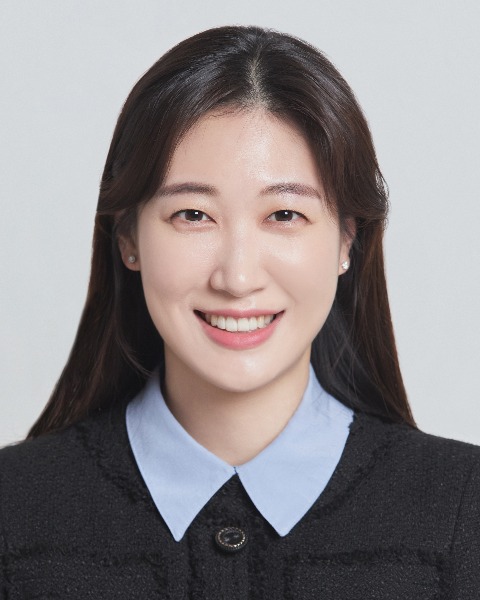
Elisa Gi Soo Um, MD (she/her/hers)
Department of Obstetrics and Gynecology, Seoul St. Mary's Hospital, College of Medicine, The Catholic University of Korea, Seoul, Korea
Seoul, Seoul-t'ukpyolsi, Republic of Korea
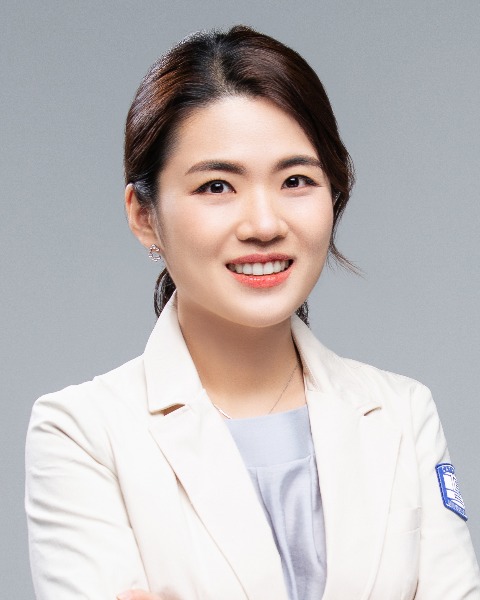
Seon Ui Lee, MD
Obstetrics and gynecology
Department of Obstetrics and Gynecology, Incheon St. Mary's Hospital, College of Medicine, The Catholic University of Korea, Seoul, Korea
Incheon, Kyonggi-do, Republic of Korea
Oyoung Kim, MD, MS
Obstetrics and gynecology
Department of Obstetrics and Gynecology, Yeouido St. Mary's Hospital, College of Medicine, The Catholic University of Korea, Seoul, Korea
Seoul, Seoul-t'ukpyolsi, Republic of Korea
Yeon Hee Kim, MD, PhD
Obstetrics and gynecology
Department of Obstetrics and Gynecology, Uijeongbu St. Mary's Hospital, College of Medicine, The Catholic University of Korea, Seoul, Korea
Uijeongbu, Kyonggi-do, Republic of Korea
Jiyoung Kwon, MD, PhD
Department of Obstetrics and Gynecology, Eunpyeong St. Mary's Hospital, College of Medicine, The Catholic University of Korea, Seoul, Korea.
Seoul, Seoul-t'ukpyolsi, Republic of Korea
Su Hwan Lee
INPINI AI Co., Ltd, Seoul, Korea.
Seoul, Seoul-t'ukpyolsi, Republic of Korea

In Yang park, MD, PhD
Obstetrics and gynecology
Department of Obstetrics and Gynecology, Seoul St. Mary's Hospital, College of Medicine, The Catholic University of Korea, Seoul, Korea
Seoul, Seoul-t'ukpyolsi, Republic of Korea
This study aimed to evaluate a newly developed virtual reality (VR) educational program for natural delivery, with a primary focus on its clinical realism and its ability to replicate key obstetric procedures. We also assessed user feedback on satisfaction, usability, and educational effectiveness to guide future improvements.
Study Design:
We developed LUNA (Labor Unit for Newborn Arrival), an immersive VR training platform replicating core natural delivery processes, including spontaneous vaginal delivery, episiotomy, and perineal repair. The platform was specifically designed to replicate real clinical workflows and visual environments. Licensed physicians participated in a single VR session using LUNA, followed by a structured survey assessing six domains: demographics, immersion, learning satisfaction, system usability, learning effectiveness, and open-ended feedback. All items were rated on a 5-point Likert scale. A total of 14 physicians have completed the survey to date.
Results:
Participants strongly endorsed the realism of the VR environment, with an average immersion score of 4.5 and specific praise for its likeness to actual clinical settings. Learning satisfaction scored an average of 4.4, especially for “structured content design” and “ease of goal achievement.” System usability received an average score of 4.3, with few reports of technical difficulties. In terms of learning effectiveness, participants rated 4.6 for “VR helped improve procedural skills in real practice” and 4.7 for “more effective than conventional methods.” In open-ended responses, participants highlighted “the ability to repeat practice realistically and learn without pressure” as the most satisfactory aspect.
Conclusion:
As clinical training environments face increasing limitations, this modality shows offers a valuable supplement to traditional education. By replicating real-life obstetric procedures in an immersive, repeatable format, LUNA supports procedural skill development and may enhance the quality and accessibility of obstetric training.