







Poster Session 4
Category: Obstetric Quality and Safety
Poster Session 4
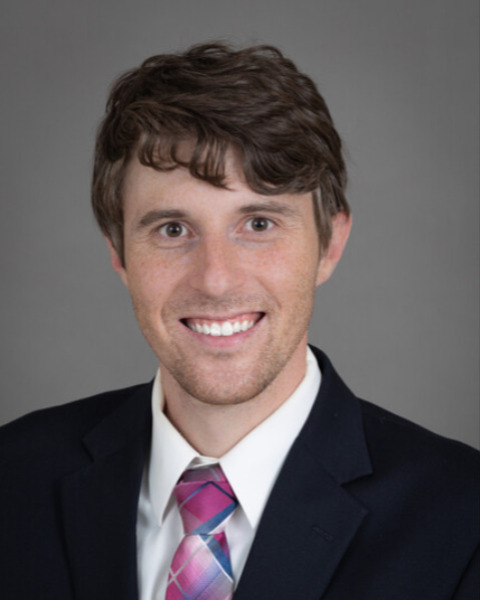
Frank I. Jackson, DO (he/him/his)
Fellow
Northwell
New Hyde Park, New York, United States
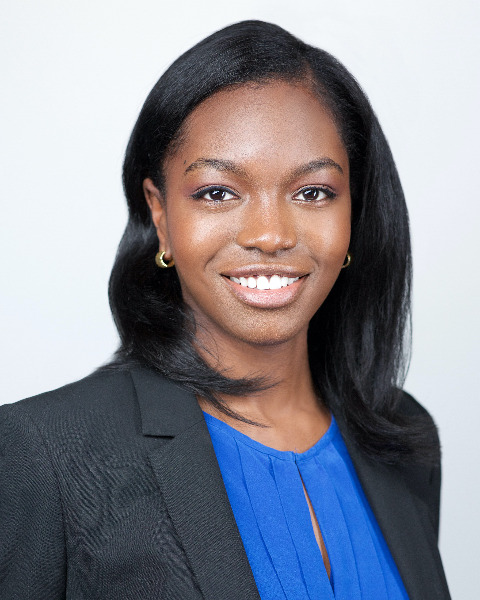
Oladunni Ogundipe, MD (she/her/hers)
Fellow
Northwell
New Hyde Park, New York, United States

Sarah H. Abelman, MD (she/her/hers)
Fellow
Northwell
Bay Shore, New York, United States
Luis A. Bracero, MD
Professor
Northwell
New Hyde Park, New York, United States

Matthew J. Blitz, MD, MBA
Director of Clinical Research; Program Director of MFM Fellowship at SSUH
Northwell
New Hyde Park, New York, United States
This retrospective cross-sectional study included all NTSV deliveries by obstetricians with ≥50 deliveries across 7 hospitals from January 2019 to December 2024. Maternal and neonatal complications were defined using Joint Commission criteria. For each provider, CFVD and CD rates were calculated, and rankings compared.
Results:
Among 55,841 NTSV deliveries, 233 obstetricians met inclusion. Rankings based on CFVD showed that 108 of 233 (46.4%) shifted by >10 ranks compared to CD-based rankings (Kendall Tau = 0.836, P < .0001). Correlations showed a weak negative association between CD and neonatal complication rates (r = −0.14, P = 0.04), a weak positive correlation between CD and maternal complications (r = 0.14, P = 0.03), and a weak positive correlation between maternal and neonatal complications (r = 0.14, P = 0.03).
Conclusion:
The current approach of emphasizing lowering the cesarean delivery rate, fails to account for maternal and neonatal complications and treats their outcomes independently, despite clinical interdependence. This may lead to misleading assessments of provider performance. Provider-level assessment using a composite dyadic outcome offers a more complete view of perinatal quality. Incorporating CFVD into quality metrics may improve benchmarking and better reflect patient-centered care.