







Poster Session 4
Category: Clinical Obstetrics
Poster Session 4
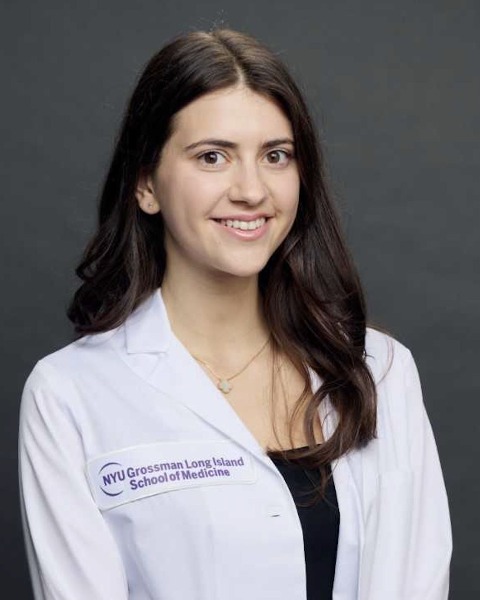
Annie Rozenblyum, BA
Medical Student
NYU Grossman Long Island School of Medicine
Mineola, New York, United States
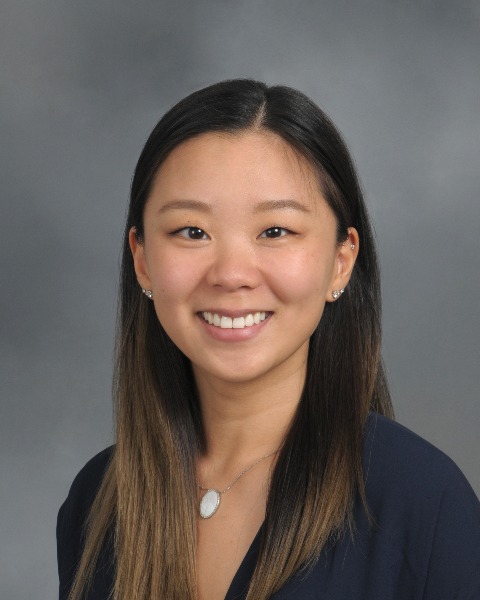
Julia Kim, MD
Fellow, Maternal Fetal Medicine
NYU Grossman Long Island School of Medicine
Mineola, New York, United States
Amberly Lao, MD
Resident Physician
NYU Langone Hospital- Long Island
NYU Langone Hospital- Long Island, New York, United States
Justin Gimoto, MD
NYU Grossman Long Island School of Medicine
Mineola, New York, United States
Maria Gomez, MD
Resident Physician
NYU Grossman Long Island School of Medicine
Mineola, New York, United States
Soo Young Kim, MA
NYU Grossman Long Island School of Medicine
Mineola, New York, United States
Poonam Khullar, MD
Department of Pathology, NYU Grossman School of Medicine
Mineola, New York, United States
Patricia Rekawek, MD
Clinical Associate Professor, Department of Obstetrics and Gynecology
NYU Grossman Long Island School of Medicine
Mineola, New York, United States

Martin Chavez, MD (he/him/his)
Professor of Obstetrics, Gynecology & Reproductive Medicine
NYU Grossman Long Island School of Medicine
Mineola, New York, United States
Lakha Prasannan, MD
NYU Long Island
Long Island City, New York, United States
Among 111 pregnancies complicated by FGR, 93 were exposed to ACS and 18 were not. Those with ACS exposure were more likely to have severe FGR at time of delivery (50% vs 11%, p=0.008), abnormal umbilical artery dopplers (43% vs 11%, p=0.01) and deliver earlier (35.1 vs 37.7 weeks p< 0.001).There were no significant differences in placental findings between the two groups. Increased rates of intraparenchymal hematoma (14% vs 0%), accelerated villous maturation (14% vs 0%), fetal vascular malperfusion (18.3% vs 5.6%) and segmental avascular villi (9.7% vs 0%) were noted, though not statistically significant.